


Smart Manufacturing Connect: Navigating Innovation, Trade & AI Frontiers – UOB FinLab Vietnam
UOB FinLab Vietnam: Digital Gateway to Global Markets empowered SMEs with insights and connections to scale globally with confidence.
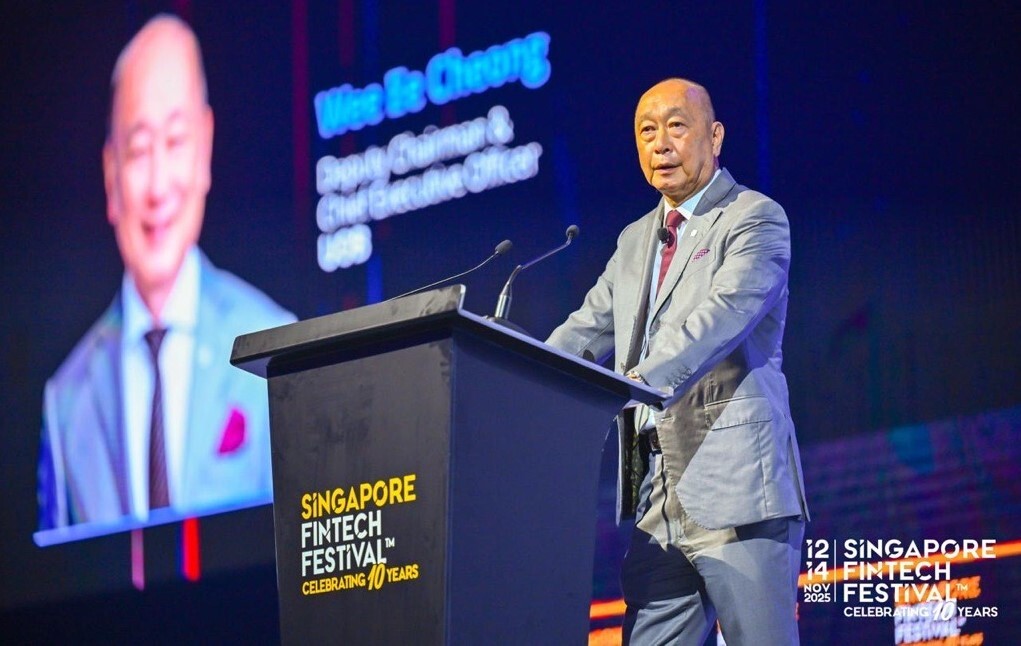
This year marks the 10th edition of the Singapore FinTech Festival (SFF), a decade-long platform that has charted the evolution of financial technology from nascent digital payments to complex AI-driven trade networks. SFF 2025 invited business leaders, regulators, and innovators to explore how the next decade of financial innovation will shape growth, particularly for small and medium-sized enterprises (SMEs) navigating increasingly complex markets.
Over the years, SFF has evolved from showcasing discrete technological innovations to examining how these innovations intersect with trust, governance, and cross-border collaboration – all critical factors for SMEs that want to scale responsibly and sustainably. This year’s discussions underscored three trends that will define the SME landscape in the coming years.
The festival underscored a clear principle: trust is the foundation of the next wave of global trade. AI is increasingly embedded in trade finance, risk assessment, and cross-border transactions. Its effectiveness depends not only on speed and intelligence but on the transparency, reliability, and fairness of the decisions it generates.
A recurring theme was the absence of neutral, corporate-level mechanisms to verify businesses across borders. Without shared and trusted data, companies hesitate to collaborate — and SMEs are often the first to feel the friction.
While blockchain and digital infrastructures have advanced, many systems still cannot communicate with one another, slowing collaboration and creating uncertainty. Technologically, cross-chain connectivity is now possible. For instance, JPMorgan recently enabled value to move from its private blockchain to a public network, allowing JPM Coin to be exchanged for USDC. The remaining barriers are policy, regulation, and institutional confidence.
For SMEs, this has immediate implications. Companies with poor data hygiene, incomplete digital records, or inconsistent processes risk being excluded from AI-powered trade networks. Building trust is no longer a soft concept – it requires investment in data quality, transparent processes, and people capable of managing digital information responsibly. SMEs that can provide verifiable, structured, and shareable data position themselves as trusted partners to win contracts, access financing, and participate in cross-border networks.
Payments were described at SFF as the “nervous system” of the economy. Yet many SMEs continue to grapple with fragmented systems, slow settlement, and opaque fees that strain cash flow — the lifeblood of daily operations.
Interoperability is now central to addressing these bottlenecks. Real-time payment systems have already transformed SME ecosystems in markets like Thailand, bringing millions of SMEs into the digital economy. Designing these systems around interoperability ensures that even competing networks align on shared standards, fostering trust and enabling adoption at scale.
SMEs need payment systems that operate seamlessly across platforms, currencies, and borders. As digital payment rails, tokenised deposits, and emerging cross-chain systems mature, businesses are no longer confined to a single ecosystem. Fully interoperable, frictionless payment networks reduce transaction costs, improve liquidity, and enable SMEs to scale efficiently, a crucial advantage in fast-growing ASEAN markets.
The benefits go beyond speed. The intelligence generated by interoperable systems – predictive analytics, automated reconciliation, and real-time visibility into cash positions – allows SMEs to make faster, better-informed decisions. Companies can stabilise cash flow, optimise supplier terms, and gain deeper insights into customer behaviour. In an environment where every hour of delay erodes margins, interoperability is both a strategic imperative and a source of competitive advantage.
While technology adoption accelerates, governance frameworks often lag behind. SFF 2025 highlighted the widening gap between fintech deployment and the regulatory, cybersecurity, and compliance structures designed to govern them.
For SMEs, this gap presents both challenges and opportunities. Companies that lag behind may struggle to comply with new standards or miss out on collaborations with larger corporations. Conversely, SMEs that implement robust data governance, cybersecurity measures, and compliance processes can differentiate themselves as reliable partners in an increasingly regulated ecosystem.
Public-private collaboration was identified as a critical enabler. Centralised coordination of cyber response, standardised governance frameworks, and Responsible AI guidelines can reduce the burden on individual SMEs while enabling scalable growth.
SMEs that address these dimensions can position themselves as technology adopters as well as credible, resilient, and scalable partners in regional and global ecosystems.
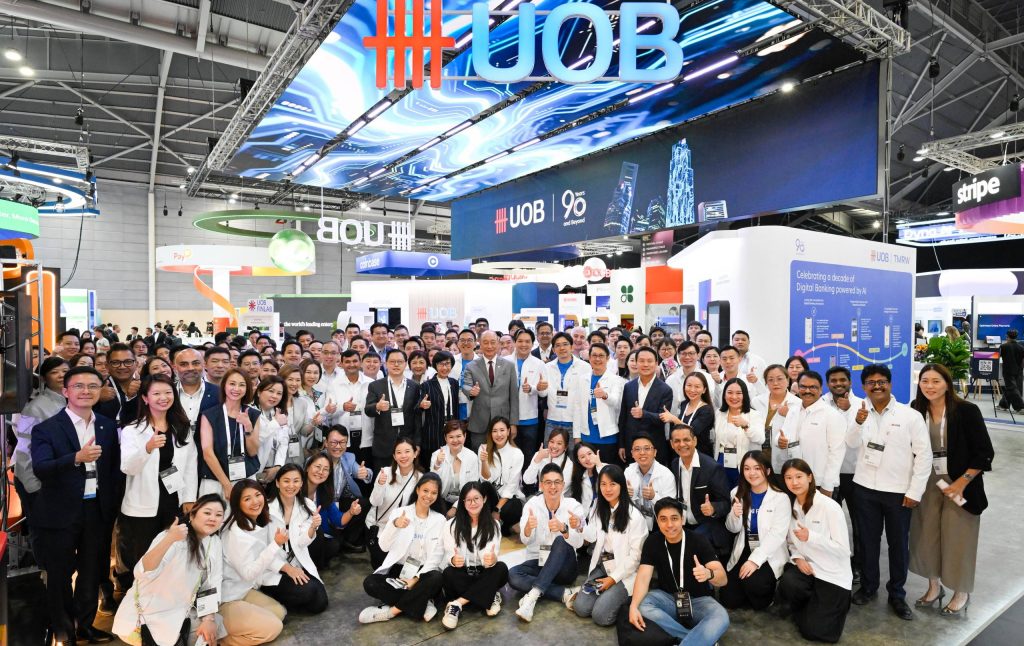
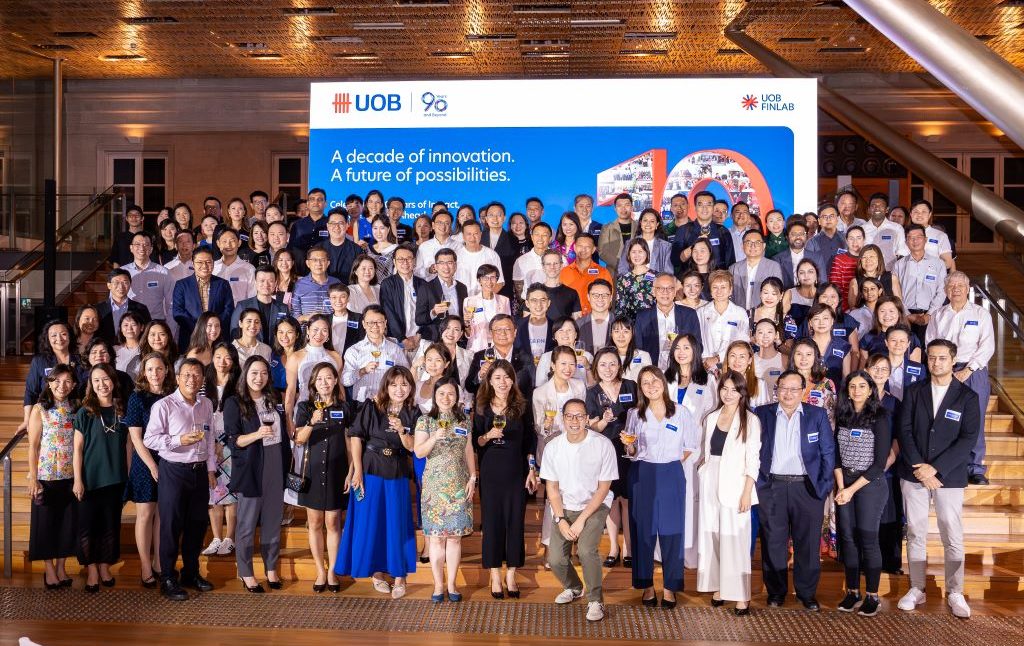
As SFF celebrates its 10th edition, reflecting a decade of fintech evolution, UOB FinLab also marks 10 years of supporting SMEs across ASEAN. Together, these milestones highlight a shared commitment to shaping the next decade of growth for businesses in an increasingly digital and interconnected economy.
UOB FinLab has been a strategic enabler for SMEs across ASEAN since 2015, supporting more than 33,000 companies in Singapore, Malaysia, Thailand, Indonesia, and Vietnam. It provides curated programmes, shared knowledge, and access to emerging technologies to help SMEs build digital foundations, governance confidence, and cross-border capabilities.
Signature programmes include the AI Ready Programme, Sustainability Innovation Programme, GreenTech Accelerator, Womenpreneur Programme, and SME Elevate Programme Beyond programmes, UOB FinLab facilitates a community where peers, mentors, and partners share knowledge and confidence, helping SMEs move from intent to action.
The next decade of SME growth will not favour those who merely adopt new technologies. It will favour businesses that combine digital intelligence with trust, operational resilience, and strategic foresight. By embedding these principles into their operations, SMEs can navigate complexity, scale sustainably, and thrive in a future defined by innovation, collaboration, and cross-border opportunities.
Join the UOB FinLab community to stay updated about the upcoming 2026 digitalisation programmes under the UOB SME Elevate Programme!
Stay up to date by following us on LinkedIn and subscribe to our newsletter.
UOB FinLab Vietnam: Digital Gateway to Global Markets empowered SMEs with insights and connections to scale globally with confidence.
Southeast Asia’s consumers are choosing sustainability—and SMEs must adapt. Green preferences are reshaping strategies, making data-driven insights critical. Analytics helps businesses understand customer priorities, make smarter sustainability decisions, and turn purpose into growth. With UOB FinLab’s programmes and community, SMEs gain the tools and networks to act and build long-term success.
Upskilling is the key investment that empowers SMEs to fully leverage technology, stay competitive, and thrive in ASEAN’s fast-evolving digital economy.
Designed for business owners to enhance their digital capabilities through practical learning, this programme takes businesses to the next level.
Bridge ideas and innovation, subscribe to the FinLab Connect now!