

UOB FinLab

Smarter, Not Harder: How SMEs Can Harness AI for Automation and Growth

Featured Image For Smarter, Not Harder: How Smes Can Harness Ai For Automation And Growth

Artificial intelligence (AI) may be the most debated technology of our time. Some argue it is a bubble; others see it as the next industrial revolution. But bubble or not, AI is already reshaping how businesses operate in ways too significant to ignore. Its defining capability is to turn huge volumes of unstructured information – emails, invoices, customer chats, sensor logs – into usable insight. Tasks that once required hours of manual work now take minutes. Patterns that people would have missed surface immediately. That change is not a novelty; it is a new operating condition for organisations large and small.

For SMEs, the practical implication is straightforward. There is no need to chase every flashy tool. SMEs need to recognise that speed, accuracy and relevance of information are now attainable at scale. Those who integrate AI efficiently into daily workflows will operate with a different rhythm: faster decision cycles, fewer manual errors and clearer visibility into recurring problems. For smaller businesses already stretched thin, the journey can feel overwhelming without guidance or a trusted ecosystem to lean on.

The Practical Value SMEs Stand to Gain

Gettyimages-2201948871Copy

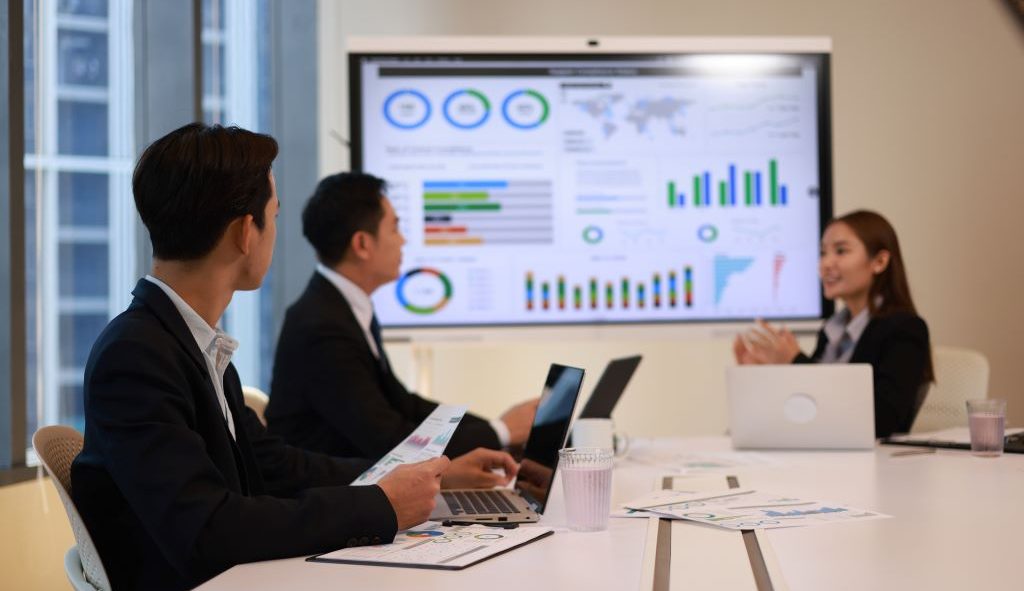
While the hype around AI is global, its most immediate impact for SMEs comes from something far simpler: automation. AI tools can handle repetitive tasks that drain time and energy, such as processing forms, drafting responses, retrieving information, or collating routine reports. By doing so, they free employees to focus on higher-value strategic work that strengthens customer relationships, refines operations, and drives growth. That breathing space translates into better service, faster responses and higher staff morale. Yet unlocking these benefits often requires external guidance – especially for SMEs unfamiliar with digitalisation or process redesign.

Automation only works when you apply it to well-defined processes. Too many teams treat AI as a quick fix for messy operations. The result is faster chaos. If your invoices arrive in different formats, if your product lists live in multiple spreadsheets, or if approval steps differ by manager, AI will amplify those inconsistencies. The work that precedes automation – documenting steps, naming files consistently, and stabilising handoffs – is small in effort but enormous in impact. This is an area where structured support or expert guidance can help SMEs build the right foundations before deploying AI.

Why Many SMEs Still Struggle to Implement AI

Gettyimages-2179796719Copy

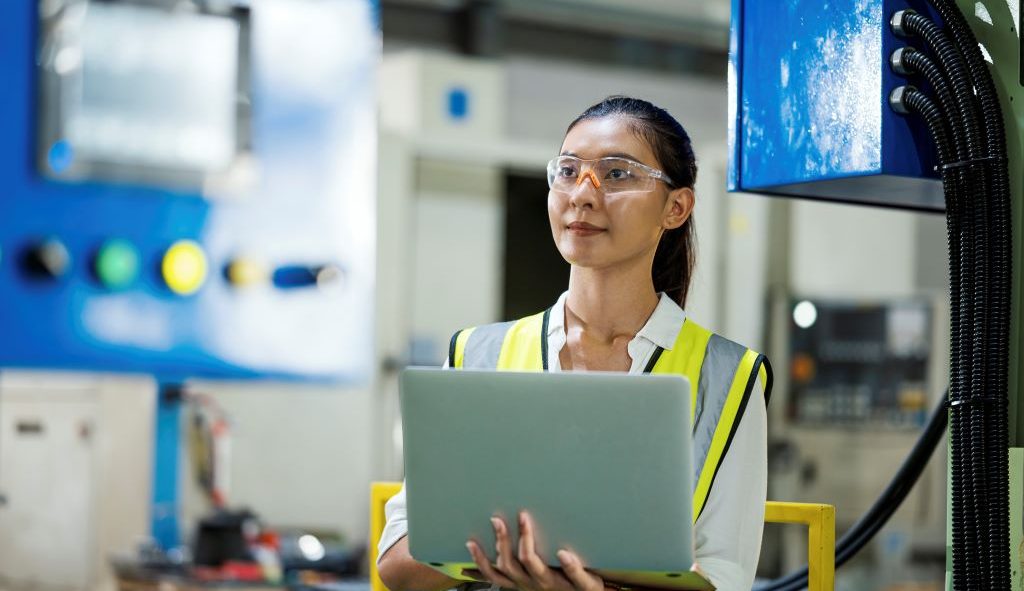
AI adoption among SMEs in Singapore may have tripled in 2024, but it still sits below 15%. Many SMEs express excitement about AI, yet hesitate when it comes to actual implementation. They often face the same challenges: limited expertise, uncertainty about costs, unclear ROI, and inconsistent data spread across multiple systems. Without a structured workflow, even the best AI tools will stumble.

This is why the foundation matters. AI requires accuracy. It needs standardised processes, clean data, and clear expectations. SMEs do not need sophisticated data architectures to begin, but they do need discipline in how information is stored, shared, and updated. When teams work from different file versions or processes change informally week to week, AI cannot automate effectively.

In other words, AI does not magically fix operational inefficiencies – it amplifies them. Companies that take time to standardise their workflows, even with simple steps like naming conventions, shared folders, or SOPs, see far stronger results because AI can recognise patterns more reliably. For many SMEs, having an ecosystem that offers structured guidance can shorten this learning curve significantly.

AI Should Amplify Humans, Not Replace Them

Gettyimages-1343553102Copy

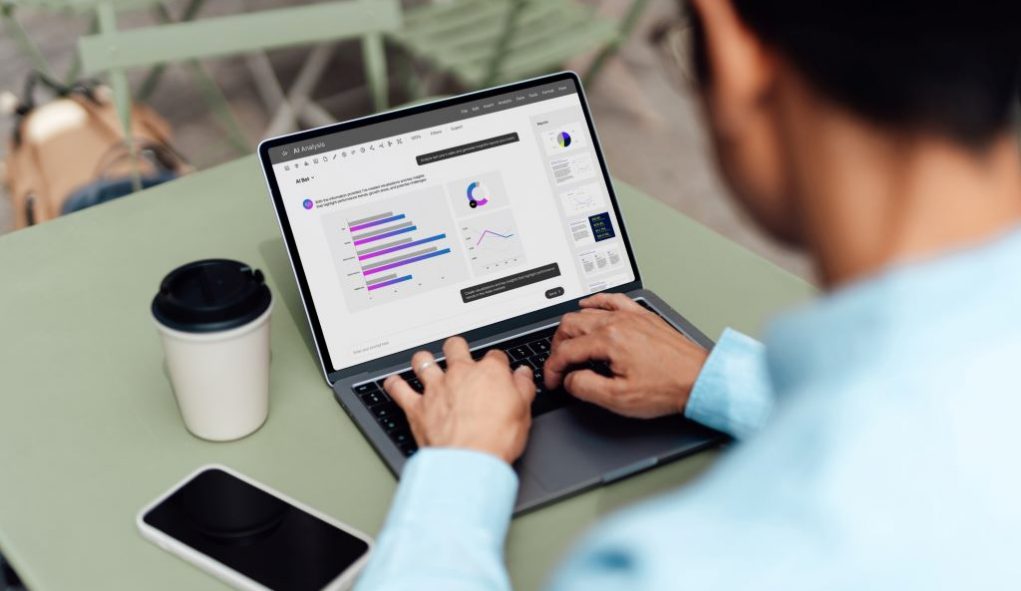
A growing number of businesses frame AI as a replacement for manpower. But the companies seeing the greatest gains are the ones that view it as an amplifier. AI is fast, analytical, and tireless. It is excellent at brute-force tasks such as sorting documents, identifying anomalies, and summarising large volumes of information. Humans are intuitive, relational, and creative. They understand context, nuance, and long-term strategy.

When businesses use AI to handle the heavy lifting, people can focus on redesigning processes, solving customer issues, and driving innovation. The best use of AI is not substitution but augmentation.

This mindset shift is what separates SMEs that see temporary cost savings from those that experience long-term transformation. AI does not remove the need for people; it elevates what people can achieve.

AI Adoption Is a Long-Term Investment, Not an Overnight Upgrade

Another misconception is that AI will deliver immediate results. While many tools provide quick wins, sustained value comes from a long-term view. AI is not a one-time installation but a continuous improvement cycle. It requires time to refine workflows, strengthen data hygiene, train teams, and integrate the technology into daily operations.

This can feel intimidating for SMEs with limited budgets and lean teams. But the long-term upside is significant: lower operational costs, faster turnaround, fewer manual errors, and scalable growth. AI becomes a growth engine when leaders commit to the process, not when they expect instant transformation. With access to guidance from industry experts, SMEs can pace this journey sustainably.

A Practical, Doable Way for SMEs to Start

Gettyimages-2181567066Copy

The most effective AI journeys begin small. Instead of trying to overhaul the entire business, SMEs can start by identifying a single, repetitive process that is time consuming – generating basic reports, handling customer questions, pulling product information, managing bookings, or reconciling data. Testing AI on a contained workflow builds confidence, creates tangible results, and reveals how processes can be improved.

Once teams experience these early wins, adoption accelerates naturally. AI becomes less abstract and more practical. Workflows become more structured. Data becomes more organised. And the business becomes more ready to scale the technology across functions. This is also where having a supportive ecosystem helps SMEs identify the right starting point and avoid common pitfalls.

How UOB FinLab Supports SMEs on Their AI Journey

Uob-Finlab-Ai-Ready-Recap-2

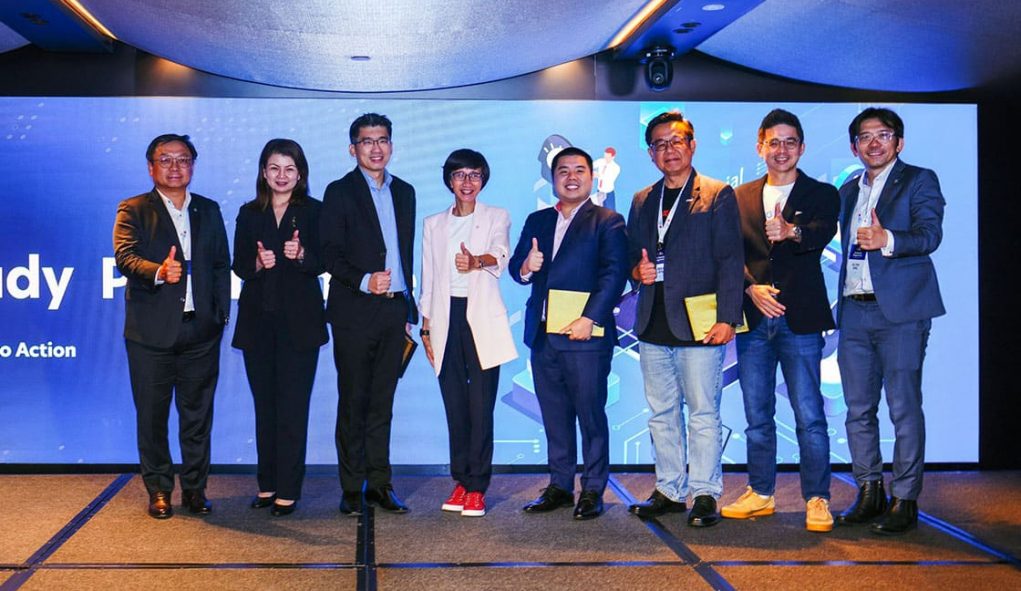
SMEs need trusted guidance, practical knowledge, and a supportive community to navigate the evolving SME landscape; UOB FinLab provides exactly that. UOB FinLab has supported over 33,000 SMEs across ASEAN since 2015, helping businesses strengthen their digital foundations, improve their data hygiene, and build confidence in adopting emerging technologies.

Through programmes such as the AI Ready Programme, Sustainability Innovation Programme, GreenTech Accelerator, Womenpreneur Programme, and SME Elevate Programme, UOB FinLab gives SMEs access to mentors, solution providers, peer learning, and structured assessments that demystify AI and enable progressive adoption. The focus is not on overwhelming businesses with large-scale transformation, but on equipping them with clarity, structure, and practical capability so they can grow sustainably.

The Future Belongs to SMEs That Learn to Work Smarter

AI is not a trend that will fade. It is a new foundation for how businesses operate, compete, and grow. SMEs that learn to use AI as a practical enabler – supported by strong processes, clean data, and empowered teams – will outperform those that rely on manual, time-consuming ways of working. They will move faster, adapt quicker, and scale more confidently in a digital-first economy.

The path forward is not about working harder. It is about working smarter – and AI, when applied thoughtfully, is the catalyst that helps SMEs do exactly that.

Smarter, Not Harder: How SMEs Can Harness AI for Automation and Growth

Featured Image For Smarter, Not Harder: How Smes Can Harness Ai For Automation And Growth

Online programme

Start Smart Programme

Designed for business owners to enhance their digital capabilities through practical learning, this programme takes businesses to the next level.

Online programme

Start Smart Programme

Designed for business owners to enhance their digital capabilities through practical learning, this programme takes businesses to the next level.

Don't miss out on the latest Digitalisation and Sustainability trends, insights and more!

Bridge ideas and innovation, subscribe to the FinLab Connect now!