For businesses, particularly small and medium-sized enterprises (SMEs), this consumer shift represents both a challenge and an opportunity. The challenge lies in meeting new expectations with limited resources. The opportunity lies in building loyalty, trust, and long-term competitiveness through responsible, transparent practices.
Governments, corporates, and investors are all reinforcing this direction. Singapore’s Green Plan 2030 charts a clear path toward a low-carbon future, setting national goals that signal the importance of sustainable growth. In tandem, larger corporations are tightening their sustainability requirements for SME suppliers, making it clear that responsible practices are now business fundamentals, not optional extras.
The UOB FinLab 2025 Business Outlook Study (Regional) echoes this sentiment – highlighting that the top motivators for sustainability adoption among SMEs are to “attract investors” (45%) and “work more easily with MNCs establishing sustainability goals” (42%). In short, consumers are no longer the only stakeholders demanding accountability; the entire business ecosystem is evolving in that direction.
UOB itself exemplifies this shift. The Bank’s Group Supplier Sustainability Principles (GSSP) outline expectations in key areas: corporate governance, labour and human rights, environmental, health, and safety standards. Vendors are expected to uphold these principles or risk exclusion from procurement networks. It’s a clear signal: in today’s economy, sustainability is no longer just good ethics – it is smart business.
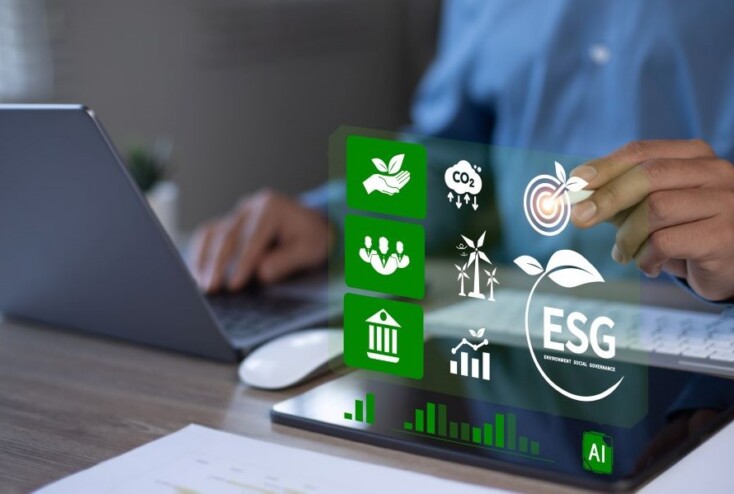
Against this backdrop, SMEs can no longer afford to view sustainability as a side initiative or a marketing checkbox. It is becoming a core determinant of competitiveness and credibility. As the operating environment shifts, those who fail to evolve risk being locked out of partnerships, investor opportunities, and even consumer consideration.
This is where collaboration and capability-building come in. UOB FinLab has been working closely with SMEs across ASEAN to help them integrate sustainability into their business models – from understanding carbon footprints to identifying cost-saving green solutions and accessing financial support.
Ultimately, sustainability is no longer about doing good – it’s about staying relevant in an economy that rewards purpose, resilience, and innovation. The SMEs that thrive will be those that view sustainability not as compliance, but as a competitive strategy for the future.