UOB FinLab

The Convergence of AI and Sustainability

Featured Image For The Convergence Of Ai And Sustainability

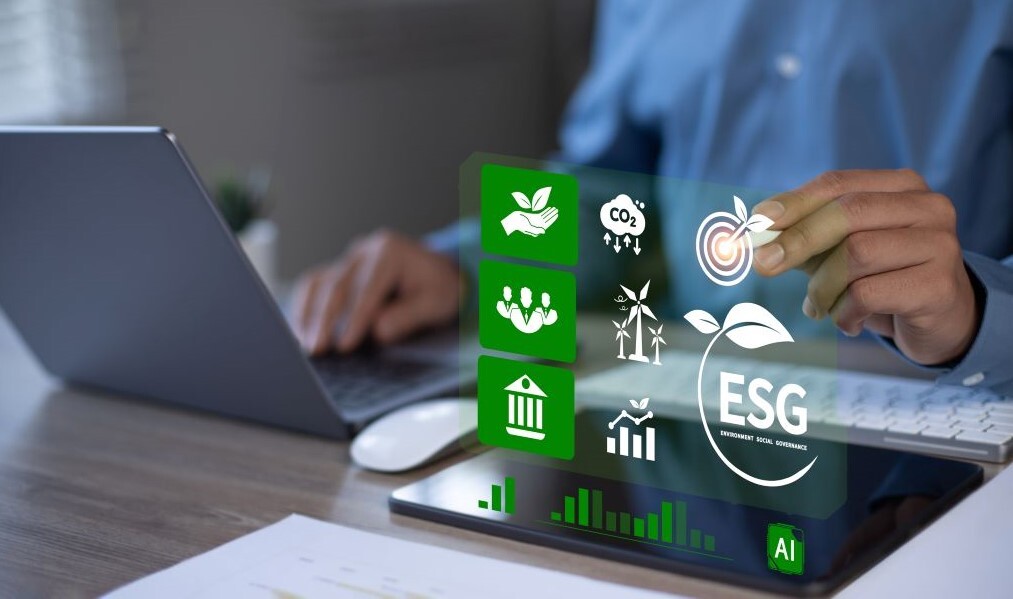
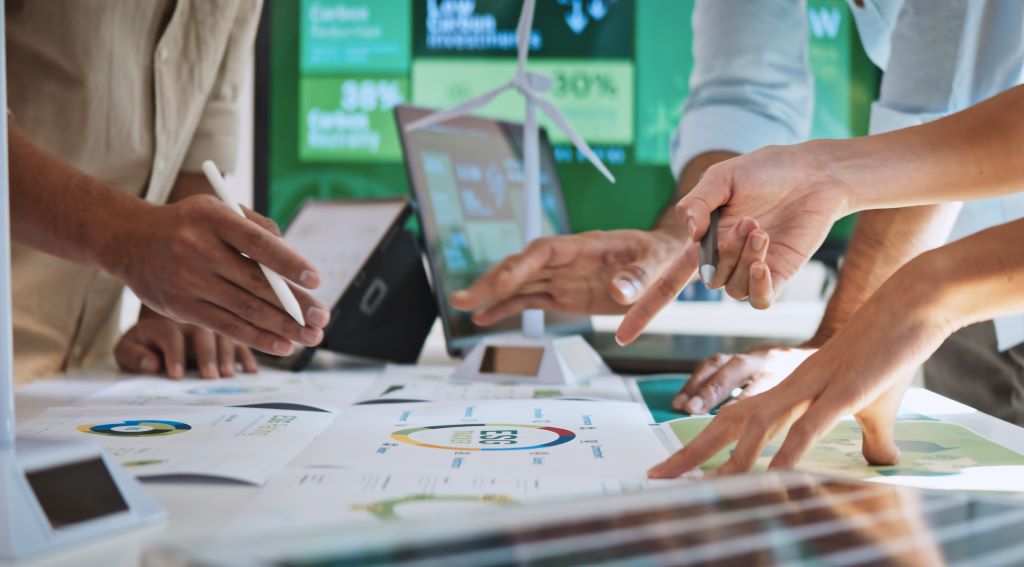
Artificial intelligence (AI) and sustainability are often discussed as separate priorities. One is framed as a productivity enhancer, the other as a compliance or cost issue. In practice, they are becoming increasingly intertwined. Across industries, AI is emerging as a key enabler of sustainable business – helping companies reduce waste, improve energy efficiency, manage operational risks, and make more informed long-term decisions.

This convergence matters even more in today’s environment. Global supply chains are fragmenting, geopolitical risks are rising, and climate-related disruptions are becoming more frequent. These pressures are already shaping economic policy. In Singapore’s Budget 2026, the Government highlighted the need to strengthen economic resilience by harnessing AI as a strategic capability, building a skilled workforce, and supporting sustainability efforts such as energy efficiency and emissions reduction. Together, these signals confirm a shift from high-volume growth in favor of a model defined by adaptability, efficiency and long-term resilience.

For small and medium-sized enterprises (SMEs), the challenge is not whether to engage with these trends, but how to do so practically and affordably.

How AI Is Already Powering Sustainability

Update 8 1 - The Convergence Of Ai And Sustainability

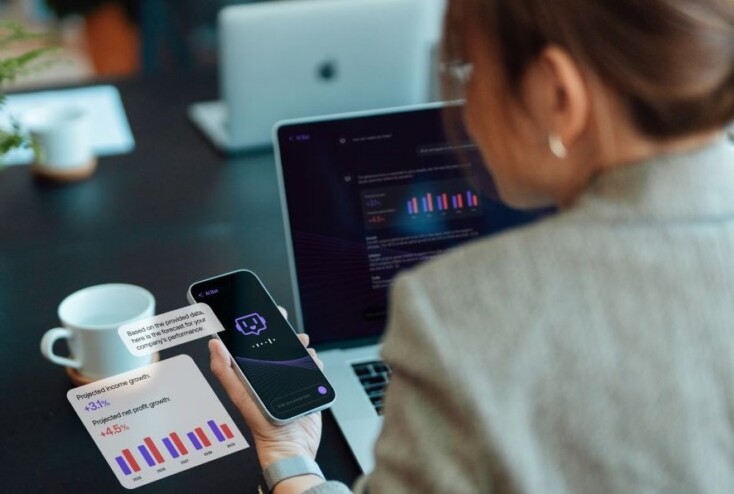
In large organisations, AI is increasingly used to optimise systems rather than just automate tasks. It analyses energy usage across buildings, predicts equipment failures before they happen, and models supply chain risks linked to extreme weather or regulatory changes. In finance and procurement, AI supports scenario planning by comparing carbon, cost, and operational trade-offs in real time.

At the same time, the environmental footprint of AI itself cannot be ignored. The data centres that support AI applications consume significant amounts of electricity and water, and rely on resource-intensive hardware. This has raised concerns about whether AI’s sustainability benefits can outweigh its own resource demands.

The key, however, is understanding the net effect. When AI is deployed to eliminate waste, reduce emissions, and prevent inefficiencies at scale, the long-term net environmental impact can be positive – particularly in energy-intensive sectors such as logistics, manufacturing, and buildings management. In other words, AI becomes most sustainable when it is applied to fix the very inefficiencies that drive resource consumption in the first place.

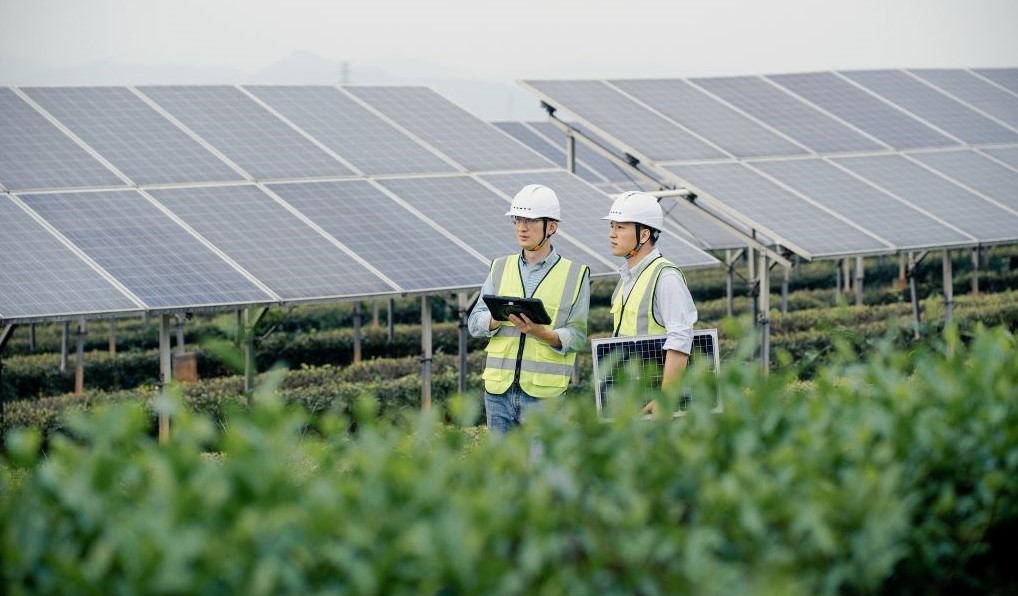
For SMEs, the same principle applies, even if the scale is different. AI can help a logistics company optimise delivery routes to reduce fuel use. A food manufacturer can use AI forecasting to minimise spoilage and overproduction. A retailer can analyse customer demand more accurately to avoid excess inventory and markdown waste. In each case, sustainability gains are concrete – lower operating costs, stronger risk management, and more efficient use of resources.

What SMEs Can Adapt

Update 9 - The Convergence Of Ai And Sustainability

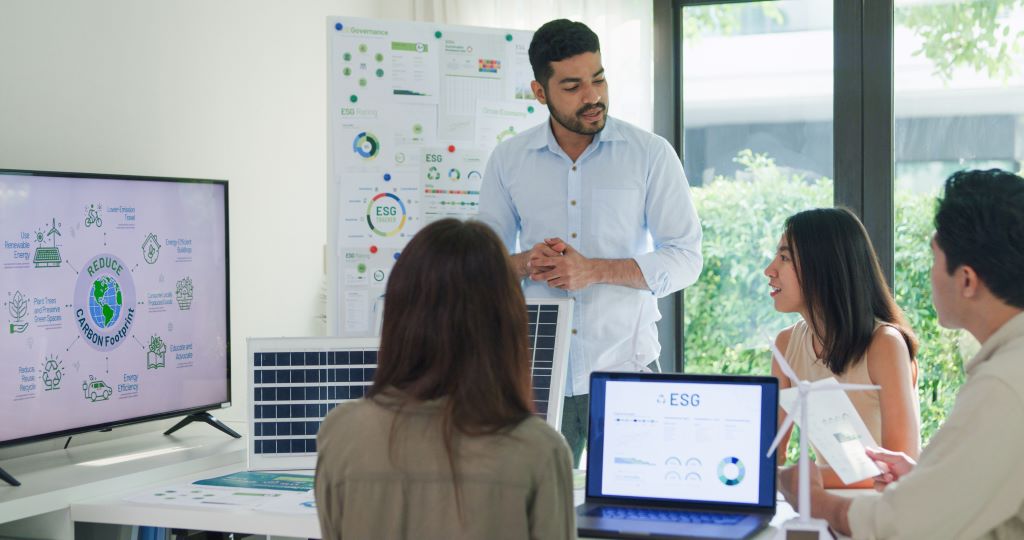
SMEs do not need complex infrastructure to start. The biggest gains come from redesigning everyday workflows, not installing expensive systems.

Three practical areas stand out:

  1. Smarter resource management
    AI monitoring systems can optimise resource consumption by identifying usage patterns and flagging inefficiencies in electricity, water, and raw material usage patterns. Instead of reacting to high bills retroactively, SMEs can identify waste early and adjust operations. This supports both sustainability goals and margin protection.

  2. Risk and compliance support
    As carbon pricing rises and reporting requirements expand, SMEs face growing exposure to regulatory risk. AI tools can help track emissions data, monitor supplier compliance, and simulate how cost structures change under different carbon or energy scenarios. This turns sustainability from a reactive burden into a planning tool.

  3. Better decision-making under uncertainty
    AI can act as a decision support system – comparing cost, carbon impact, and operational trade-offs. For example, when choosing between suppliers or transport modes, SMEs can use AI to model not just price differences but also long-term sustainability implications. This builds resilience into everyday business choices.

These use cases share a common feature: they embed sustainability into how the business operates, rather than treating it as a separate reporting exercise.

Why Skills Matter More Than Tools

Update 10 3 - The Convergence Of Ai And Sustainability

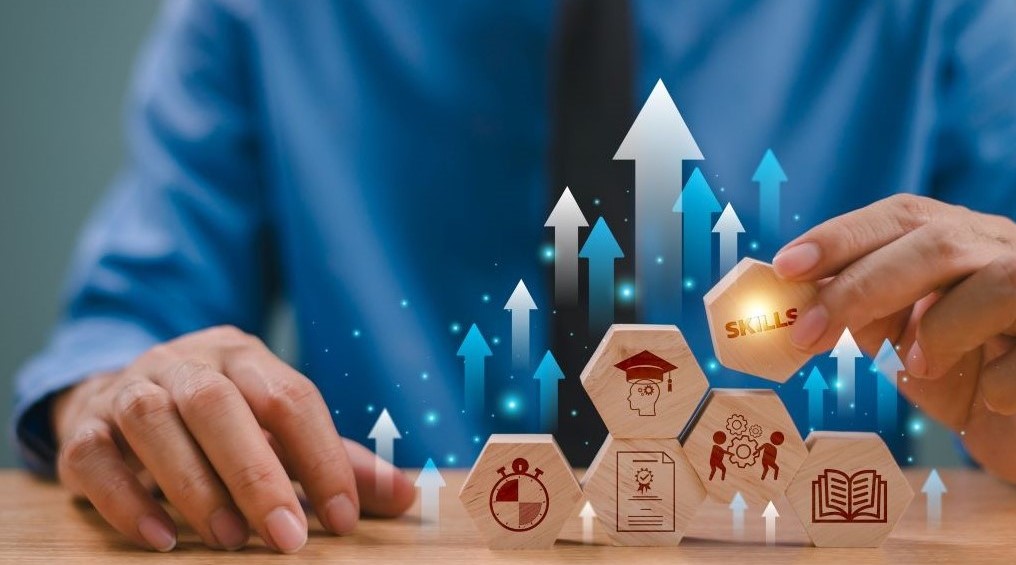
Technology alone will not drive this shift. The real constraint is organisational capability.

Many SMEs adopt digital tools but struggle to embed them into everyday workflows and decision-making. This gap is also reflected in AI adoption rates: in Singapore, only 14.5% of SMEs adopted AI in 2024, compared with 62.5% of larger businesses, according to the Infocomm Media Development Authority’s Singapore Digital Economy Report 2025.

Sustainability efforts face the same problem. Even when data is available, teams often lack the confidence or skills to interpret it and apply it consistently in business decisions. More than 80% of business leaders say their organisations face a gap in sustainability-related skill sets and expertise, according to the Sustainability for Business Resilience Report 2024 by NTUC LearningHub.

This is why AI and sustainability converge at the capability level. The challenge is not deploying tools, but building leadership and teams that understand how AI works, where it fits into operations, and how it supports long-term strategy.

This emphasis on people and skills is reflected in Budget 2026, which highlighted workforce resilience alongside investments in AI and sustainability. The signal is clear: productivity and sustainability gains depend on how effectively businesses use technology, not simply on whether they have access to it.

For SMEs, upskilling is the bridge between ambition and execution.

Turning National Direction into Business Action

Update 11 - The Convergence Of Ai And Sustainability

Within this broader ecosystem, practical learning programmes play a key role in translating policy intent into business capability. UOB FinLab works with SMEs across the region to build applied skills in AI, digitalisation, and sustainability – focusing on tools and how these technologies reshape workflows, leadership decisions, and operating models.

Rather than chasing trends, the emphasis is on helping business leaders understand how AI has evolved, where it can be applied meaningfully, and how sustainability considerations can be embedded into everyday choices. Through structured learning, mentorship, and peer exchange, SMEs move from experimentation to integration – redesigning processes so that AI supports better planning, coordination, and risk management.

One such programme is the upcoming AI and Machine Learning Begins with Me, delivered in collaboration with National University of Singapore in March 2026. It is designed to demystify AI for business leaders and link technical concepts directly to operational use cases, including decision support and sustainability applications.

These initiatives reflect a broader principle: transformation accelerates when businesses learn together, guided by practitioners who understand real-world constraints.

From Compliance to Competitive Advantage

The convergence of AI and sustainability marks a shift in mindset. Sustainability is no longer just about meeting standards. AI is no longer just about productivity. Together, they enable a new operating model – one that prioritises efficiency, resilience, and long-term value.

For SMEs, this creates an opportunity to build scale without waste and growth without fragility. Businesses that invest early in these capabilities will be better positioned to manage rising energy costs, changing regulations, and volatile markets.

As global conditions become more contested and uncertain, the companies that thrive will not be those with the most tools, but those with the strongest ability to adapt, using AI to support better decisions and sustainability to guide them.

SMEs looking to build practical, organisation-level AI capabilities can register for UOB FinLab’s AI Ready Programme. The programme offers one-on-one Tech Advisory Clinics and partially funded Proof-of-Concept sprints, helping businesses understand, test, and apply AI in real business contexts. UOB FinLab’s SME Elevate Programme is also designed to strengthen the skills and business capabilities of SMEs across all sectors through a comprehensive suite of offerings.

UOB FinLab remains committed to supporting SMEs through this transition, not as a technology vendor, but as a partner in capability-building. The next phase of growth will belong to businesses that learn how to think, decide, and operate differently – with AI and sustainability working together at the core.

Stay up to date with the UOB FinLab community and our latest programmes by following us on LinkedIn and subscribe to our newsletter.

The Convergence of AI and Sustainability

Featured Image For The Convergence Of Ai And Sustainability

Online programme

Start Smart Programme

Designed for business owners to enhance their digital capabilities through practical learning, this programme takes businesses to the next level.

Online programme

Start Smart Programme

Designed for business owners to enhance their digital capabilities through practical learning, this programme takes businesses to the next level.

Don't miss out on the latest Digitalisation and Sustainability trends, insights and more!

Bridge ideas and innovation, subscribe to the FinLab Connect now!